Welcome back to Tech&Music, where we explore the dynamic intersection of technology and the music industry. Today, we will be diving into a recent news story that’s ignited a heated debate surrounding artificial intelligence (AI) in music creation and whether or not it is useful for singers and songwriters.
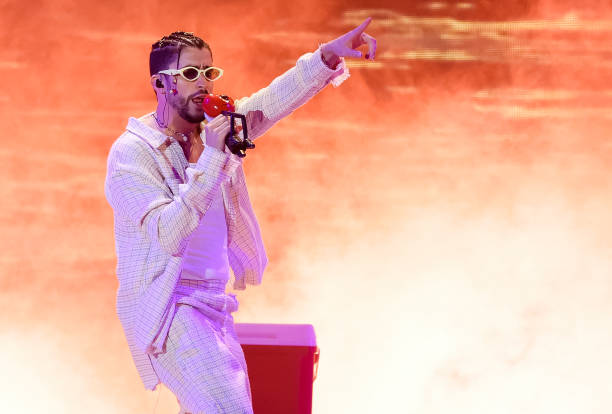
In a TIME news story earlier this year, they reported an AI incident involving musicians. Despite denying rumors of a collaboration with Justin Bieber, the Grammy winning artist Bad Bunny found himself in controversy when just a month after the rumors, a song featuring what seemed to be their voices surfaced on TikTok. The twist? It was entirely created by an AI artist named FlowGPT. This is just one of the many AI incidents that have sparked conversations about the implications of AI in music and the challenges it presents to artists and the industry at large.

Music vs. Artist Concerns
Advancements in AI technology have altered music production, allowing anyone with access to a computer to replicate the sound of their favorite musicians. While some fans see this as a positive step towards creativity, many artists have expressed frustration at the manipulation of their musical identity. On Monday, April 1, over 200 musicians signed a petition against AI music-generated technology, hoping that developers will not use it to undermine or replace human artistry. They acknowledged that when used responsibly, AI has the potential to advance human creativity. However, some platforms and developers are using AI to sabotage creativity and undermine songwriters, artists, and musicians.
Is AI Helping the Industry?
From a PR perspective, these issues could be considered both beneficial and harmful. On one hand, the changes in music through AI could highlight the accessibility and inclusivity it brings to aspiring artists, while simultaneously bringing more publicity to artists (though not all positive publicity). For established artists, being associated with AI innovation may improve their reputation as tech-savvy and adapting to change. However, it’s important to consider that while publicity from AI can amplify visibility and engagement, from the standpoint of artist protection and ethical considerations, the unauthorized use of copyrighted material by AI models poses significant risks and legal challenges. The most essential thing to ensure is that AI is not undermining musicians and songwriters, but is being used as a tool to enhance their music with approval
.

Utilizing AI Properly
An interesting alternative is artists using AI to make their mark. Rather than letting AI take over, singer-songwriter Holly Herndon used it to get ahead. Herndon created a coval deepfake of her own voice called Holly+, allowing anyone to transform their own voice into hers. She told TIME that the purpose of the project was to encourage artists to take on a proactive role in these larger conversations and claim autonomy in an era where tech will always play a large role. By embracing AI as a tool for exploration rather than a shortcut to creativity, human imagination can remain at the forefront of musical innovation.
What’s Next?
As we navigate the evolution of AI in music, there must be a balance between innovation and ethical responsibility. The conversations initiated by artists, industry stakeholders, and technologists will shape the future of music creation. We are living in a pivotal time when AI is just being incorporated into the music industry, and these conversations will ensure that AI enhances rather than diminishes musicians.
PHOTOS FROM GETTY IMAGES
 Lexi Frick
Leave a comment